 ClawMetry
Partnership vision Robot integrations are proposed development work.
Let robots do the work. Keep people in control.
As AI starts planning physical work, operators need a clear account of what was requested, what was permitted, and what happened. Help us build an open observation and governance layer for industrial robots.
For robot makers, integrators, and enterprise operations teams.
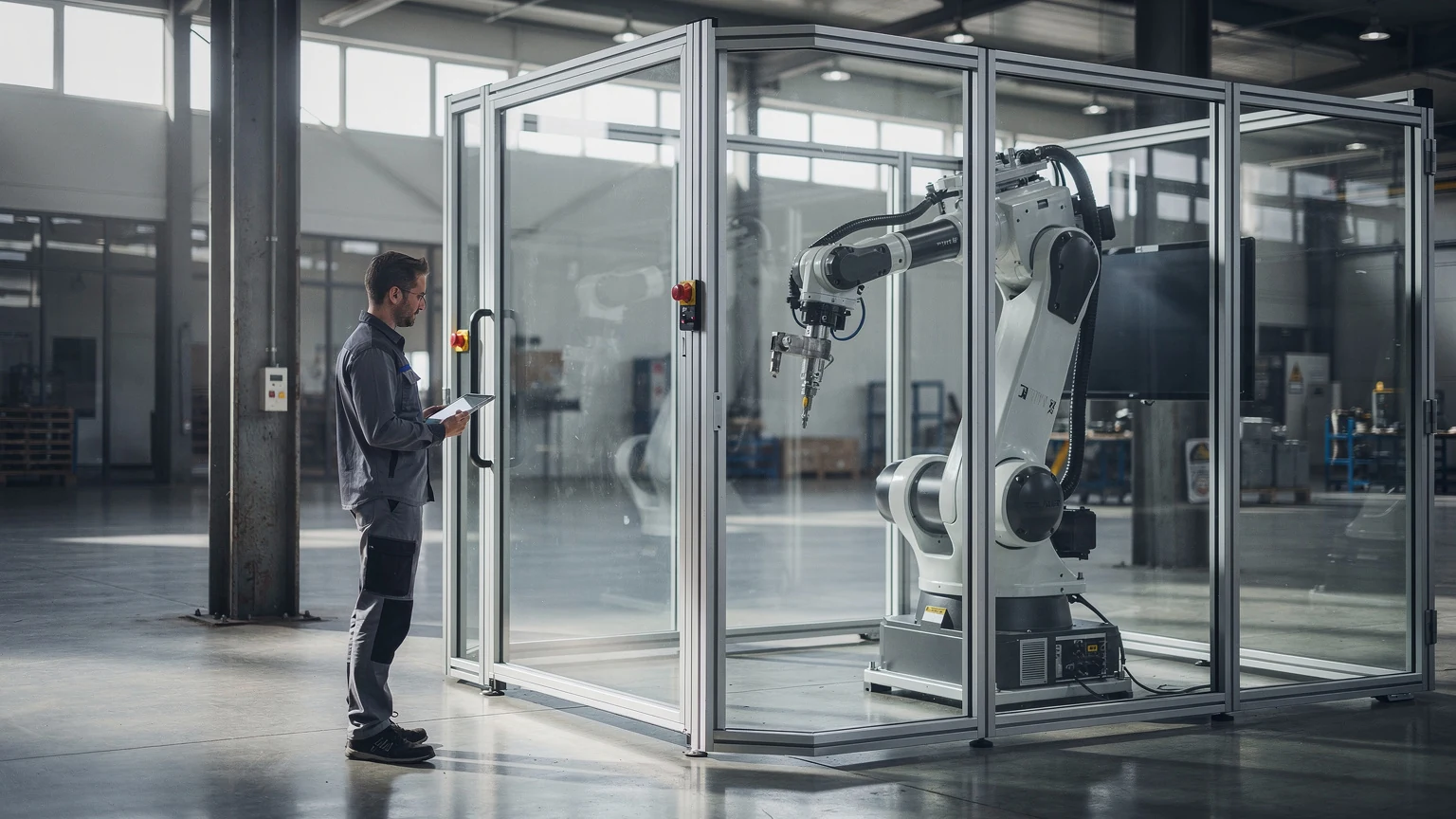
Make the next deployment easier to explain.
A plant manager needs evidence to investigate an unexpected action. An integrator needs a clear boundary between AI instructions and machine control. A buyer needs to understand how operators stay responsible. A shared record could help all three.
-
See the whole task
Explore a common record of job requests, AI decisions, permission checks, operator actions, and robot-reported outcomes across a supervised workflow.
-
Put approvals where they matter
Work with the integrator to define which changes need approval, who may authorize them, and which operating boundaries remain enforced on the machine.
-
Review incidents with context
Connect a pause request, controller acknowledgement, and reported machine state. Give operators evidence they can compare with the manufacturer’s own logs.
Human intervention, designed for the machine.
The machine’s safety controller stays in charge.
Industrial robots need responses designed for the cell, tooling, load, and surrounding people. A governance layer can request an approved pause through supported interfaces and record the response. The local safety controller, interlocks, and physical emergency stops remain authoritative.
ClawMetry is not a safety-rated emergency-stop system. Robot support would need manufacturer integration and validation for the specific use case.
An open layer, built with robot makers.
Our proposal is a shared way to describe tasks, permissions, approvals, and outcomes across manufacturers. Operators could get an independent view while each robot keeps its own local control and safety systems.
Read the founding story and watch the vision videoProposed responsibilities
People and operating rules
Intent, permissions, and approval
ClawMetry observation and governance
Activity evidence and authorized requests
Manufacturer’s robot controller
Motion, local safety, and confirmed state
Local emergency stops and safety systems stay independent of the observer and cloud.
Begin with one workflow.
Choose one supervised cell or inspection mission. Start with read-only events, agree the task and permission vocabulary, then evaluate operator approval and pause requests with the robot maker and site safety team.
Before we start
Would this replace a safety PLC or existing fleet software?
No. We propose an observation and governance layer that connects to the manufacturer’s supported interfaces. Machine safety, real-time control, and existing fleet operations remain with the systems designed for them.
Why involve a third party?
Manufacturers know their machines best. Our thesis is that an open observation layer can help customers compare evidence, understand permissions, and keep a consistent operator experience across vendors. We want to test that value with partners, while keeping safety responsibilities explicit.
Let’s make safe AI together.
Invite us to your factory or test facility. We want to understand the operator workflow, the integration constraints, and the evidence an enterprise buyer needs to move forward.
A practical first conversation
- Show us one real workflow and the people responsible for it.
- Choose the evidence, boundaries, and intervention we should study.
- Agree a small supervised pilot and how we would judge the result.
An invitation to collaborate, with no claim of an existing robot partnership.