 ClawMetry
Partnership vision Robot integrations are proposed development work.
The future moves. People stay in control.
AI is moving from screens into the physical world. Our long-term vision is an open layer that helps people understand what robots do, set the boundaries, and intervene when needed.
Built with manufacturers. Designed around the people who use their machines.
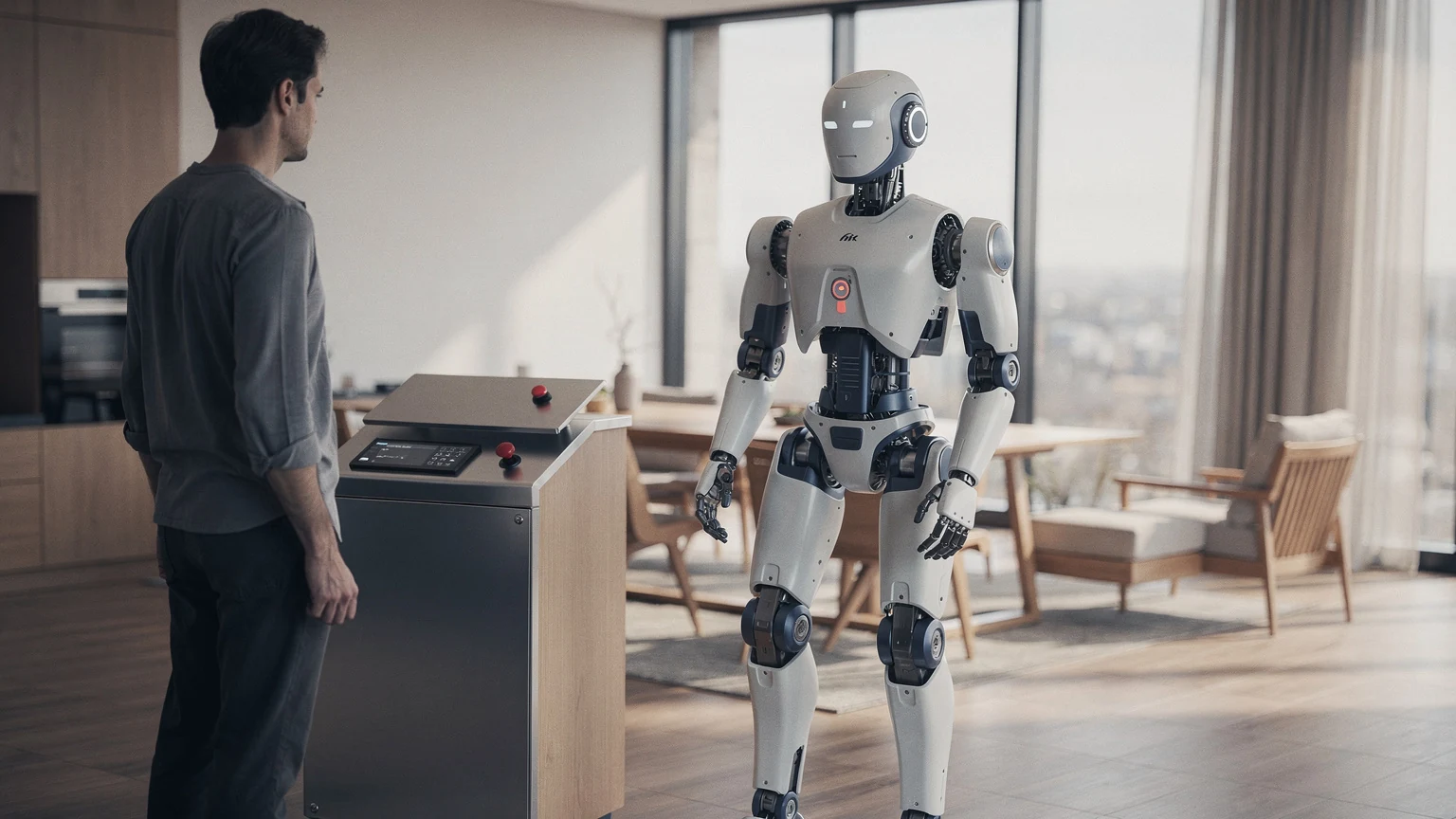
Humanoid robots
Understand intentions, permissions, and human handover in shared spaces.
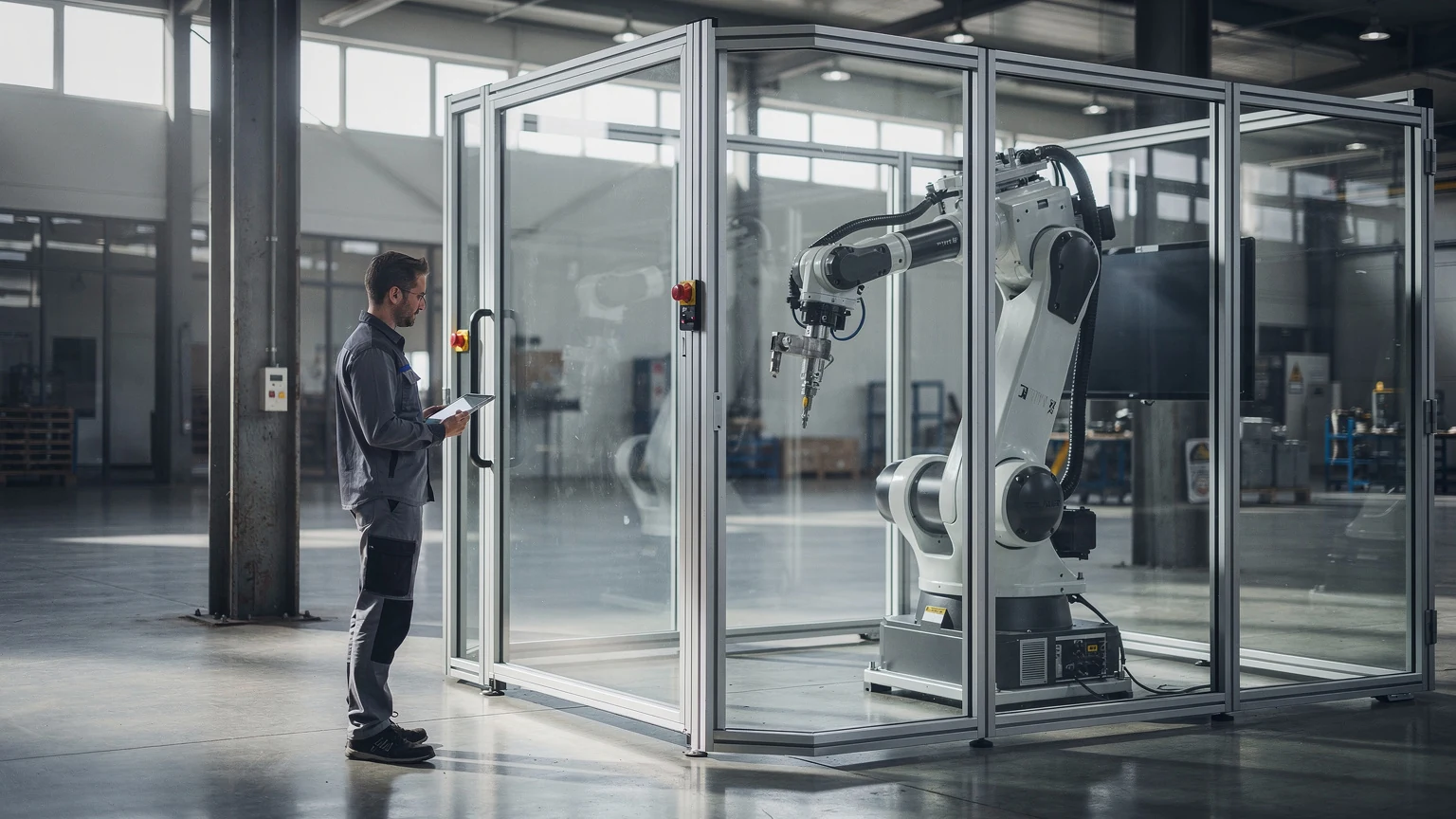
Industrial robots
Connect AI instructions to approvals, machine state, and operator evidence.
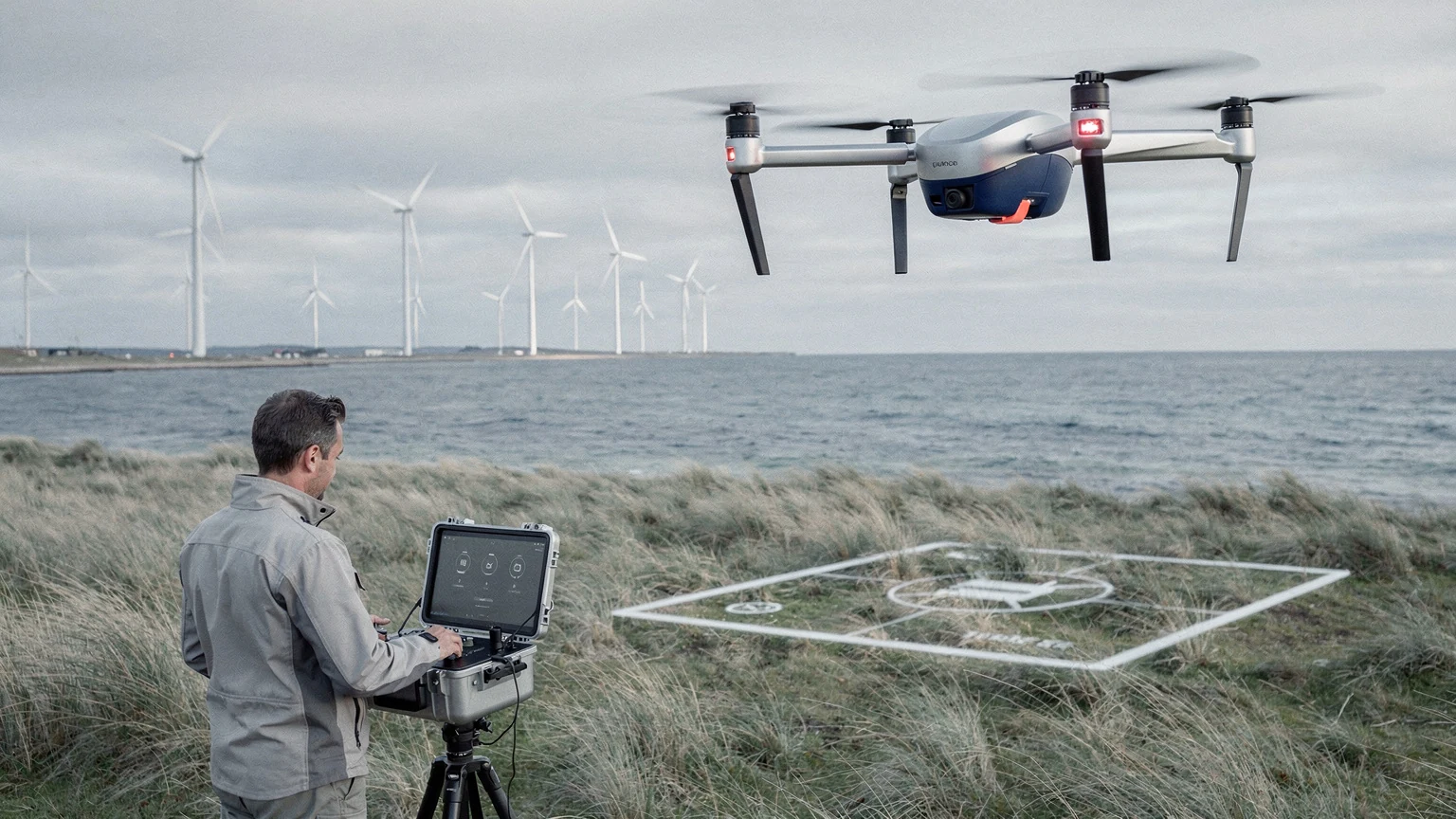
Drones
Make missions accountable, with clear boundaries and flight-aware intervention.
AI-generated concept art made with fal.ai. Proposed use case, not a product demonstration.
Confidence starts with answers people can see.
What is the robot trying to do? Who allowed it? What happened? How can a person intervene? We want those answers to be understandable to a plant manager, a field operator, or a household.
For manufacturers, that could mean clearer demonstrations, easier operational reviews, and stronger conversations with prospective customers. We want to learn where independent evidence actually helps adoption.
An open layer, built with robot makers.
Our proposal is a shared way to describe tasks, permissions, approvals, and outcomes across manufacturers. Operators could get an independent view while each robot keeps its own local control and safety systems.
Read the founding story and watch the vision videoProposed responsibilities
People and operating rules
Intent, permissions, and approval
ClawMetry observation and governance
Activity evidence and authorized requests
Manufacturer’s robot controller
Motion, local safety, and confirmed state
Local emergency stops and safety systems stay independent of the observer and cloud.
A real way to intervene.
The right response depends on the robot.
A factory arm, a balancing humanoid, and a drone cannot all stop in the same way. Our proposed layer would request an authorized intervention and show the response. The manufacturer’s local safety systems and physical emergency stops remain authoritative.
ClawMetry is not a safety-rated emergency-stop system. Robot support would need manufacturer integration and validation for the specific use case.
Start by observing. Build trust step by step.
Choose one supervised workflow. Agree what to record and what to keep private. Compare observations with the robot’s own state. Only then evaluate permissions and intervention through supported interfaces, with the manufacturer and operator involved.
Let’s make safe AI together.
We are looking for robot makers, integrators, and operators who want to build trust into the way their machines work. Invite us to your lab, factory, or test site. We will listen first, learn the workflow, and scope a useful pilot together.
A practical first conversation
- Show us one real workflow and the people responsible for it.
- Choose the evidence, boundaries, and intervention we should study.
- Agree a small supervised pilot and how we would judge the result.
An invitation to collaborate, with no claim of an existing robot partnership.